
Free NBA predictions
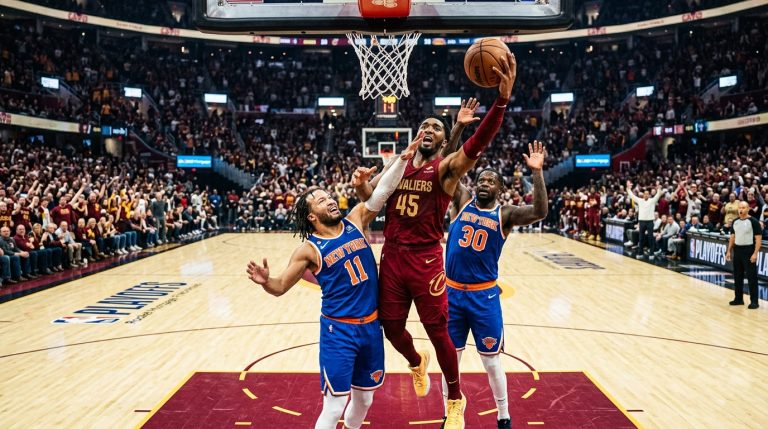
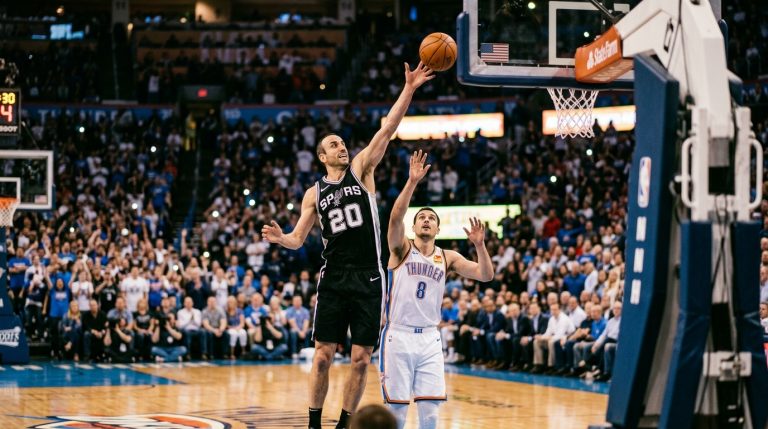
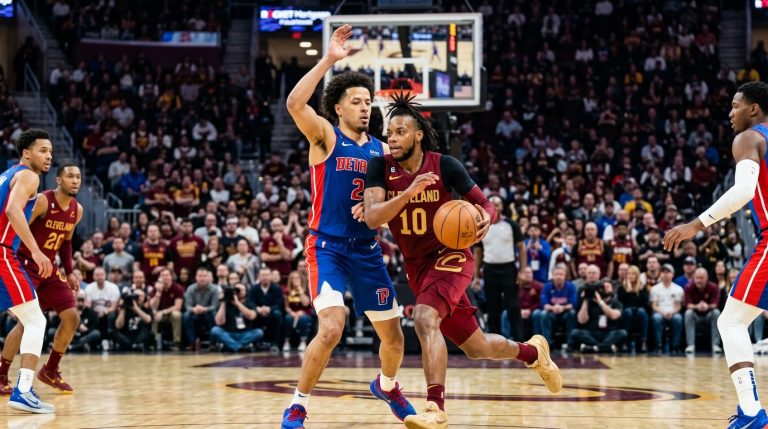
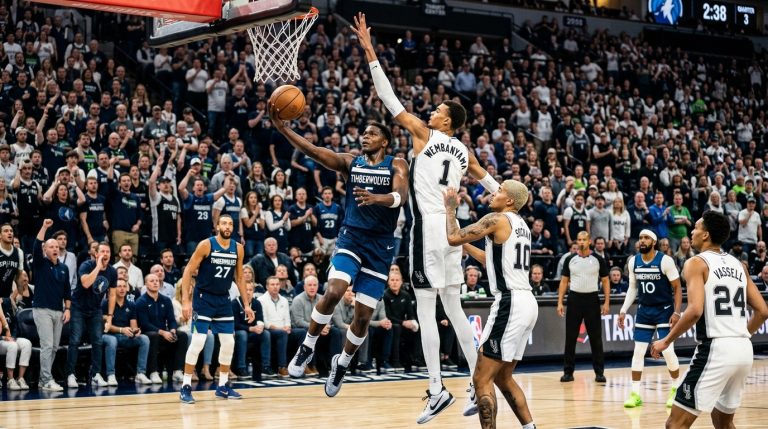


How NBA Matchups, Lineups, and Prices Shape a Betting Decision
A practical framework for reading spreads, totals, team totals, and player props without treating any pick as certain.
Spreads
Totals
Player props
Price movement
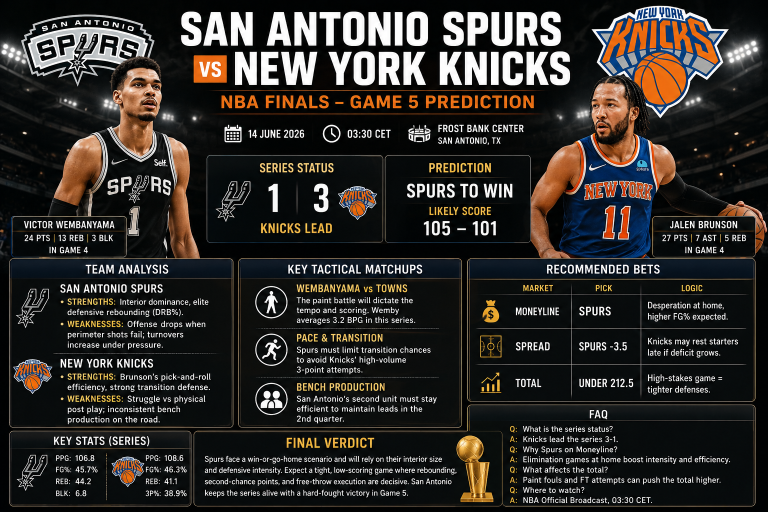
NBA betting starts with the number, not the team name. A strong roster can still be a poor bet when the spread already reflects its advantages, while an underdog can be useful when the market has overstated a recent result or underestimated a matchup-specific strength. Odds2Win previews focus on the relationship between expected performance and the available price.
What the category is designed to show
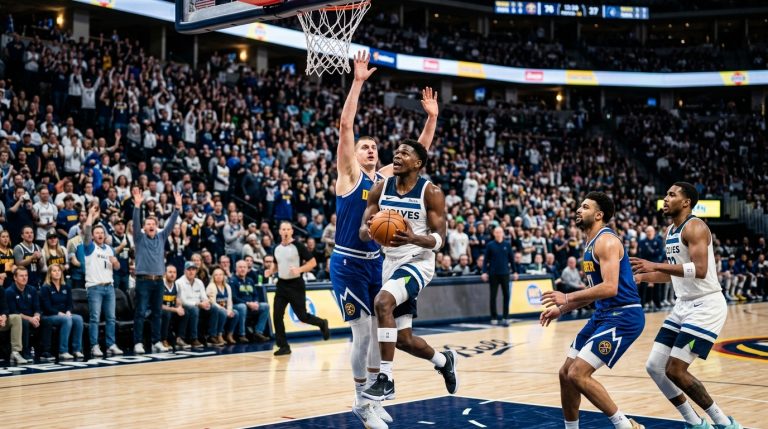
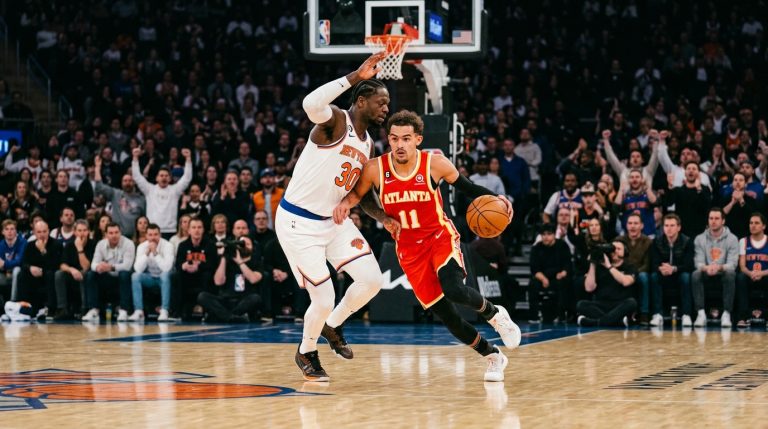
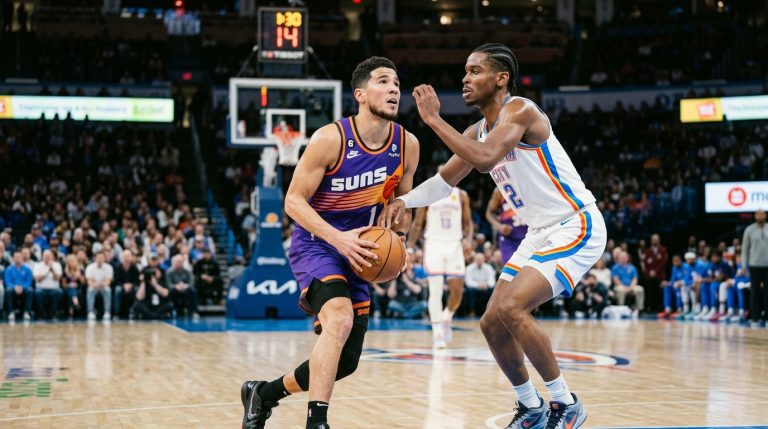
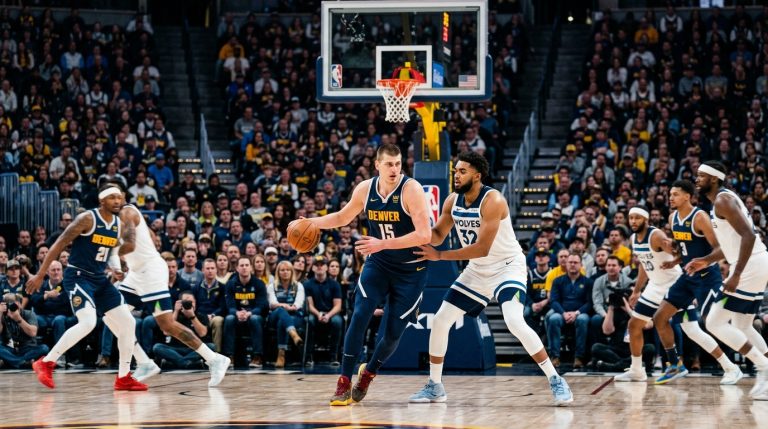
- Matchup structure: how pace, rim attempts, three-point volume, free throws, turnovers, and offensive rebounds can influence the final margin.
- Rotation context: which units create or lose advantages, where the bench matters, and which players have uncertain minutes or closing roles.
- Market fit: whether the game is better approached through a spread, total, team total, player prop, or no bet at the current price.
- Key risks: the specific events that could invalidate the original read, including foul trouble, late scratches, unusual shooting variance, or a major tactical adjustment.
How an NBA Preview Is Built
The analysis combines team quality, game context, likely rotations, and the price available when the preview is prepared.
Team strength and matchup conditions
Overall team quality is the starting point, but it is not enough by itself. Efficiency should be read alongside pace and shot profile because two teams can post similar scoring numbers through very different methods. One may rely on transition and rim pressure, while the other creates value through half-court spacing, offensive rebounds, or high-volume three-point shooting.
Minutes, usage, and lineup certainty
NBA projections are highly sensitive to who plays and for how long. An absent starter may increase another player’s usage while weakening spacing, assist quality, or defence, so injury news cannot be reduced to a simple replacement rule.
- Projected minutes: a prop becomes less reliable when a player’s workload depends on score, foul trouble, conditioning, or an uncertain rotation.
- Role concentration: additional shots or assists matter only when the replacement lineup can still create efficient possessions.
- Closing lineups: a player can start and still lose late-game minutes if the coach prefers more defence, shooting, or ball handling in close games.
- Second-unit quality: bench mismatches can move a game during short stretches that are not obvious from full-season team averages.
A sound basketball read is not automatically a bet. If the spread, total, or prop has moved beyond the price that justified the original view, passing is more rational than chasing a worse number.
Where NBA Markets Can Be Mispriced
Potential errors usually appear when the market underestimates a change in possessions, role, shot quality, or game state.
Pace and possession quality
Pace is often discussed as if a fast team automatically creates an over. The more useful question is whether both teams can generate efficient possessions at that speed. A fast game filled with poor transition decisions, turnovers, and early contested shots can still underperform the total. Conversely, a slower matchup can score efficiently when both offences consistently reach the rim, draw fouls, or create open corner threes.
Free throws, turnovers, and second chances
- Free-throw pressure: teams that attack the basket can keep scoring during cold shooting periods and can place important defenders in foul trouble.
- Turnover creation: live-ball turnovers are more damaging than ordinary missed shots because they often produce transition opportunities before the defence is set.
- Offensive rebounding: extra possessions can support a favourite’s margin or keep an underdog competitive even when first-shot efficiency is modest.
- Three-point volume: high-volume perimeter teams usually carry wider short-term outcomes, which should affect confidence and stake size rather than be treated as a prediction shortcut.
Game-state changes
The first quarter can reveal whether the expected matchup is actually developing. A projected under becomes less attractive when both teams are creating early transition chances, forcing repeated rotations, or entering the bonus quickly. A favourite becomes more fragile when it cannot protect the ball, finish defensive possessions, or keep the underdog away from the rim.
Choosing the Market That Matches the Analysis
The same game can support different conclusions depending on whether the edge concerns margin, pace, one offence, or an individual role.
Spreads
A spread is most useful when the stronger team has a repeatable route to creating separation. That route may come from transition pressure, defensive rebounding, bench depth, or a matchup that consistently produces high-quality attempts. Recent wins alone are not enough, especially when they were driven by unusually hot shooting.
Totals and team totals
Full-game totals require a view of both offences, both defences, and the likely pace. Team totals can be cleaner when the main advantage is concentrated on one side. For example, a team may have a clear route to scoring at the rim even though the opponent’s offence remains difficult to project.
Player props
Props depend on minutes, role, matchup, and opportunity. Injury-driven changes may already be reflected in the line, while rebounds and assists also depend on team shooting and whether the player keeps closing minutes.
- Do not chase a moved number: compare the current line with the price used in the original analysis.
- Reduce exposure when minutes are uncertain: rotation risk can overwhelm a small statistical edge.
- Re-check confirmed starters: the final lineup may change both individual roles and the expected pace of the game.
- Accept no-bet outcomes: a preview can identify the right basketball factors without producing a worthwhile wager.
NBA Predictions FAQ
Five answers covering timing, lineups, recent form, scheduling, and implied probability.
When are NBA predictions updated?
Updates are most important when confirmed availability, starting lineups, or meaningful price movement changes the original analysis. The exact timing therefore depends on when reliable game information becomes available.
How does lineup news affect a pick?
A lineup change can alter usage, spacing, pace, defensive assignments, and closing minutes. The effect should be evaluated across the full unit rather than treated as a simple replacement of one player by another.
What matters more: matchup or recent form?
Neither should be used alone. Matchup factors are often more repeatable than short shooting streaks, but recent form can matter when it reflects a genuine role, rotation, or tactical change rather than ordinary variance.
How do back-to-backs affect NBA betting?
They can increase uncertainty around minutes, energy, transition defence, and defensive rebounding. The effect is not identical for every team, so travel, roster depth, age, and the previous game’s workload should also be considered.
What is implied probability?
Implied probability converts betting odds into the market’s approximate required win rate before accounting for bookmaker margin. A wager has potential value only when a reasoned probability estimate exceeds the threshold represented by the available price.
Responsible Betting Notice
Analysis describes uncertainty; it does not remove it.
Odds2Win content is provided for informational and educational purposes and does not guarantee a result or profit. Betting involves financial risk, so use fixed limits, avoid chasing losses, and do not wager money needed for essential expenses.